20 Aug 2026
PENN Entertainment Charts New Course with $195 Million Relocation of Boomtown Casino to Land-Based Hollywood Casino New Orleans

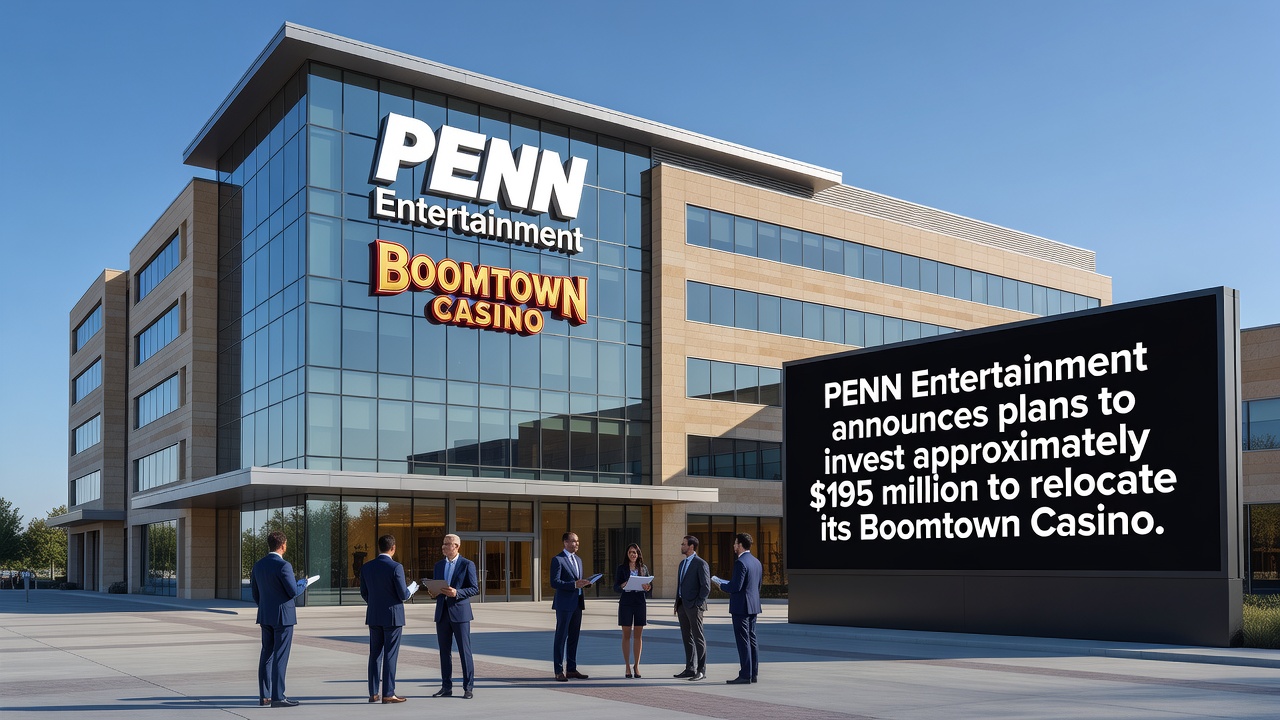
PENN Entertainment announced plans to invest approximately $195 million to relocate its Boomtown Casino & Hotel New Orleans riverboat operation in Harvey, Louisiana, to a new land-based Hollywood Casino New Orleans facility on an adjacent inland site, and this move marks a significant shift in the company's regional operations while aligning with broader industry changes across the state.
Project Details and Scope
The project centers on transitioning from the existing riverboat setup to a permanent land-based venue, which will feature around 875 slot machines, 45 table games, a retail sportsbook, dining venues, and other amenities designed to enhance the overall guest experience; observers note that such expansions often reflect evolving market demands in the gaming sector.
Data indicates the investment will support construction and development at the new inland location, and those who've tracked similar initiatives point out how these facilities typically incorporate modern infrastructure that replaces older floating operations.
Timeline and Regulatory Path
Subject to regulatory approval, the Hollywood Casino New Orleans is expected to open in 2029, which gives planners ample time to navigate licensing requirements and complete site preparations; experts have observed that multi-year timelines allow for thorough environmental assessments and community input processes common in Louisiana gaming projects.
Figures from industry reports show that approvals for land-based conversions frequently involve coordination between state gaming boards and local authorities, ensuring compliance with zoning and operational standards before any groundbreaking occurs.
Context of Louisiana's Casino Landscape
This development continues a trend of Louisiana riverboat casinos moving ashore following a 2018 state law that facilitated such transitions, and researchers discovered that the legislation opened pathways for operators to pursue more stable, weather-resistant venues while maintaining their gaming licenses.
According to available statistics, several riverboat properties have already completed similar shifts in recent years, demonstrating how the regulatory framework supports modernization without disrupting revenue streams that contribute to the state's fiscal year ending June 30, 2026 gross gaming revenue figures for Boomtown and statewide totals around $1.9 billion.
Operational Benefits of the Move
The relocation to an adjacent inland site offers practical advantages including reduced exposure to Mississippi River conditions, and people who've studied these projects often find that land-based facilities allow for expanded amenities and improved accessibility for visitors arriving by car or other means.
Yet the core gaming offerings remain consistent with the current Boomtown model, which includes slots, tables, and sports betting, while the addition of new dining options expands the property's appeal beyond traditional casino patrons.
Industry Implications
Analysts tracking PENN Entertainment's portfolio note that this investment represents a strategic repositioning of assets in the New Orleans market, where competition among casino operators continues to drive upgrades and innovations; data shows monthly visits to related properties range between 60,000 and 70,000, underscoring steady regional interest.
What's significant is how the 2029 opening date positions the new Hollywood Casino New Orleans to capitalize on post-pandemic recovery patterns and evolving entertainment preferences, all while adhering to the established regulatory timeline.
Conclusion
The $195 million project by PENN Entertainment illustrates the ongoing evolution of casino operations in Louisiana, with the move from riverboat to land-based facility at the Hollywood Casino New Orleans site set to unfold over the coming years under regulatory oversight. Observers note that successful completion could influence future decisions by other operators considering similar transitions, as the 2018 law continues to shape the state's gaming environment.